NEW YORK, Dec 3 – In a revealing interview at the Reuters NEXT conference in New York, United Nations Secretary-General António Guterres addressed the ongoing conflicts in Gaza and Ukraine, emphasizing significant concerns related to international law and civilian protection.
"Fundamentally Wrong" Military Operations in Gaza
Guterres voiced profound concerns regarding Israel's military operations in Gaza, stating that there were stark violations in how the conflict has been conducted. He remarked, "I think there was something fundamentally wrong in the way this operation was conducted with total neglect in relation to the deaths of civilians and to the destruction of Gaza." This operation, which has reportedly resulted in over 70,000 deaths in Gaza during two years of fighting, raises pivotal questions about potential war crimes.
The Secretary-General underscored that, while the objective appeared to be the destruction of Hamas, the reality has left Gaza in ruins with the militant group still operational. "So there is something fundamentally wrong with the way this is conducted," he reiterated.
In response to Guterres’ comments, Israel’s U.N. Ambassador Danny Danon condemned the Secretary-General’s views, arguing that his lack of visit to Israel amidst the ongoing humanitarian crises reflects a bias. Danon stated, "The only crime committed is the moral abomination that more than two years after the horrific massacres… he has still not visited Israel."
Humanitarian Support and U.S. Influence in Gaza
Despite the ongoing violence, Guterres praised the United States for its efforts to improve humanitarian aid access in Gaza. Notably, this praise came against the backdrop of warnings from a global hunger monitor that indicated famine conditions have taken hold in the region.
"There is excellent cooperation in the humanitarian aid between the U.N. and the U.S., and I hope that this will be maintained and developed," Guterres stated, indicating the continuing need for substantial aid amidst the escalated conflict.
The complexities of aid distribution remain, with Guterres lamenting the obstacles the U.N. faces. Israel has criticized these efforts, blaming Hamas for misappropriating relief supplies, while Hamas has denied such allegations.
The Stalemate in Ukraine
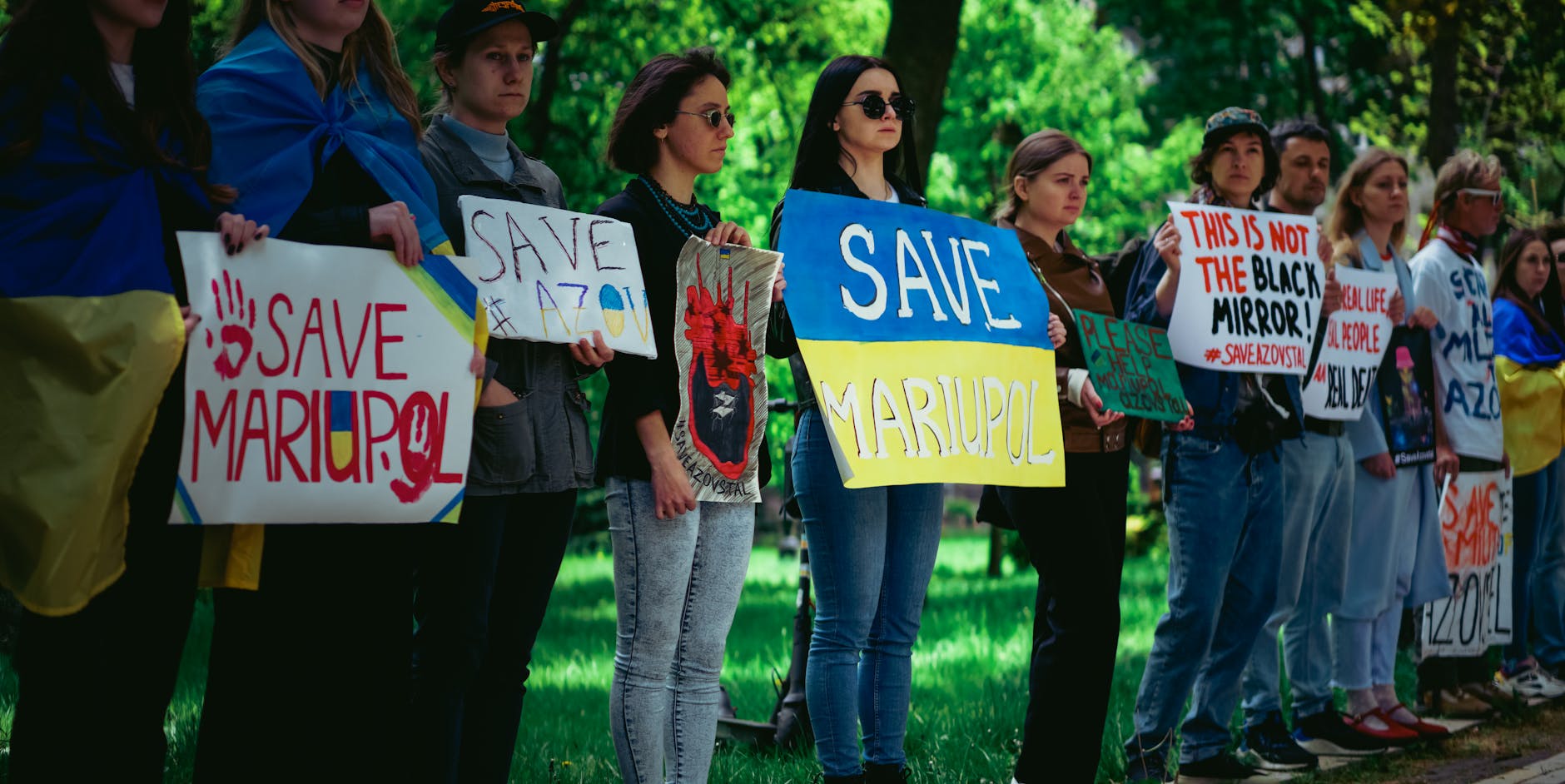
Guterres also addressed the situation in Ukraine, declaring that the current paths to negotiation are "far from a solution" and stressing that any resolution should adhere to international law and the preservation of national sovereignty.
"Is it going to be so? Probably not," he remarked pessimistically. He underlined the significant implications of violating international law, stating, "The violation of these rules is extremely dangerous because everywhere in the world people will feel that they can do whatever they want because international law doesn't matter anymore."
The war, ignited by Russia's invasion of Ukraine in February 2022, represents the largest confrontation between Moscow and Western powers since the Cold War. The U.S. has taken a central role in attempts to broker peace.
Addressing Broader Geopolitical Concerns
In the context of U.S. foreign policy, Guterres noted that the recent cuts in American foreign aid have presented both challenges and opportunities for the U.N. While he acknowledged the adverse effects on humanitarian operations around the world, he also suggested that the reductions have catalyzed a push for necessary reforms within the U.N.
As for recent U.S. military confrontations in the Caribbean targeting Venezuelan vessels, Guterres stated, "I have no particular sympathy for the regime in Venezuela… but I don't think military confrontation would be the solution for the problem."
Conclusion: The Future of International Relations
As global conflicts intensify and humanitarian crises escalate, Guterres’ statements underscore the urgent need for adherence to international norms and laws. His clarion call for accountability and humanitarian support resonates deeply against the backdrop of protracted conflicts in Gaza and Ukraine. Addressing these issues remains critical not just for the nations involved, but for the integrity of international governance and peacekeeping initiatives worldwide.
For more in-depth coverage of the ongoing global crises, visit Reuters.