In the wake of escalating fuel costs tied to the ongoing conflict in Iran, JetBlue Airways is adjusting its checked baggage fees, which will now cost passengers $4 more during off-peak travel times and $9 additional during peak periods. This increase reflects a broader trend within the airline industry, as carriers grapple with rising operational expenses directly linked to soaring jet fuel prices.
Impact of the Iran Conflict on Air Travel
The decision to hike baggage fees follows a marked increase in airfare around the globe, a direct consequence of the U.S. and Israeli military actions against Iran initiated on February 28, 2026. As fuel prices have surged nearly 83% since the onset of this conflict, airlines, including JetBlue, are feeling the pressure to pass on these costs to consumers. Jet fuel remains the second-largest expense for airlines, closely surpassed only by labor costs.
Currently, JetBlue has set its price for checking a first piece of luggage at $39 for most economy passengers during off-peak travel periods, up from $35. For peak travel times—including the summer season and major holidays—the fee will increase to $49, up from $40. Additionally, travelers opting to check their bags at the airport within 24 hours of departure will incur an extra charge of $10.
Exemptions and Customer Reactions
While this fee adjustment will affect most passengers, certain groups are exempt. Travelers who use JetBlue's co-branded credit card or those who have achieved elite status in the airline’s loyalty program will continue to avoid these additional charges. JetBlue defended its decision, asserting in a statement that, "As we experience rising operating costs, we regularly evaluate how to manage those costs while keeping base fares competitive."
The anticipated ripple effect from JetBlue's fee adjustments may be felt across the industry as competitors like American Airlines, United Airlines, Delta Air Lines, Southwest Airlines, and Frontier Airlines may be prompted to reassess their own baggage fees. Representatives from these airlines have not yet commented publicly on JetBlue's new charges.
Current Fuel Price Trends
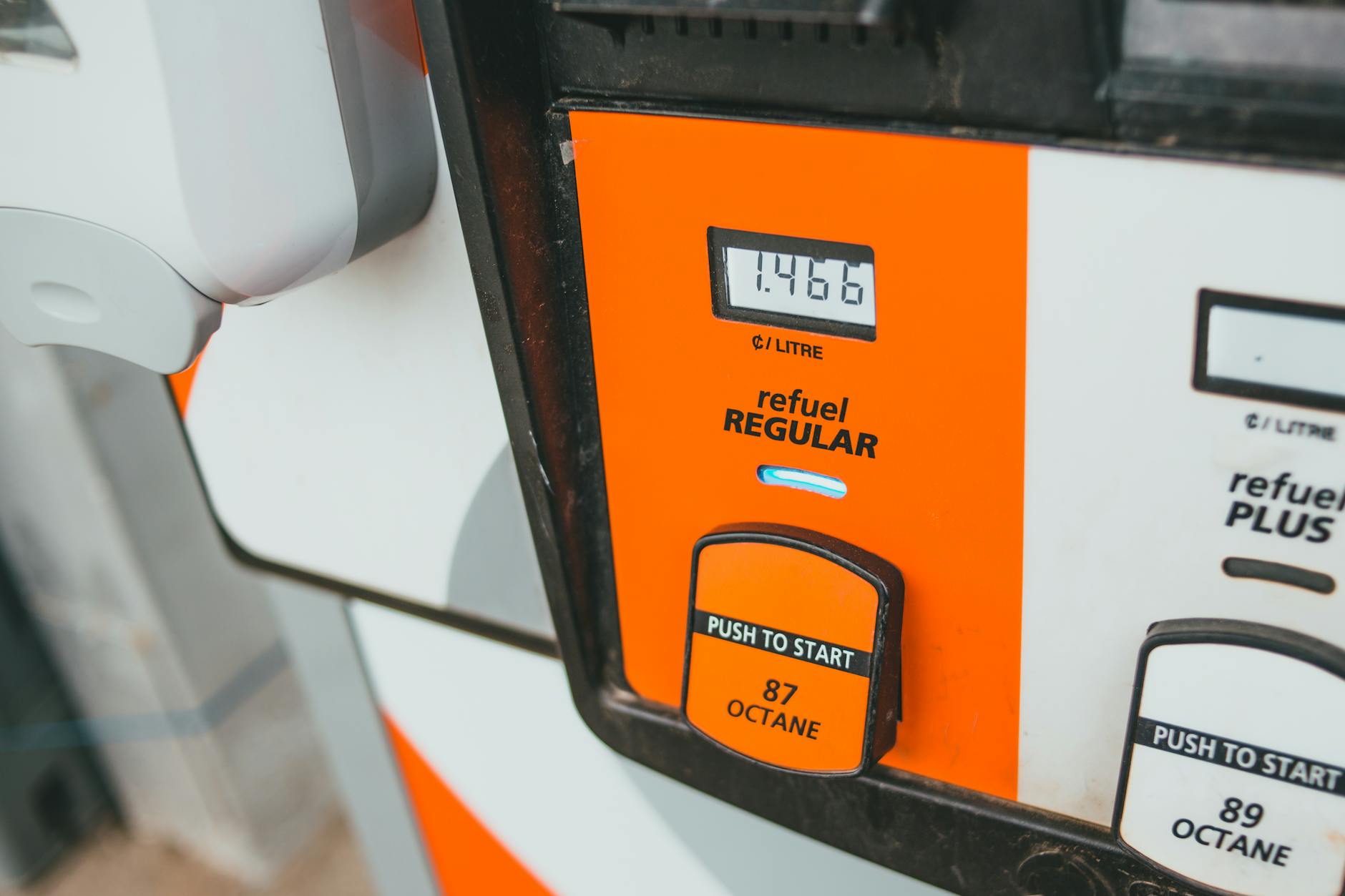
Recent data reveals that fuel prices in major U.S. cities—Chicago, Houston, Los Angeles, and New York—averaged approximately $4.57 per gallon last Friday. This figure marks a dramatic rise in costs directly attributable to market volatility stemming from geopolitical factors. The soaring fuel prices present a significant challenge for airlines, prompting many to revise their revenue expectations even in the face of increased operational costs associated with ongoing global conflicts.
JetBlue articulated the necessity of fee adjustments, mentioning that increases for optional services such as checked baggage allow the airline to maintain competitive fares while also providing enhanced customer experiences. This includes amenities such as complimentary snacks, drinks, high-speed Wi-Fi, and seatback entertainment screens.
Conclusion
As JetBlue Airways raises checked baggage fees to adapt to climbing fuel costs, the airline industry braces for potential shifts in consumer response and competitor actions. This strategic maneuver underscores the delicate balance airlines must maintain between operational costs and customer satisfaction in a turbulent global market. Travelers should prepare for potential fee increases across the board as airlines continue to adjust to the current economic landscape.
For more updates on airline news and industry trends, follow links to learn about how airlines are navigating the challenges posed by current fuel costs and geopolitical tensions.
Read more about the industry implications in our previous coverage of airline revenue guidance and demand growth amidst rising fuel prices.