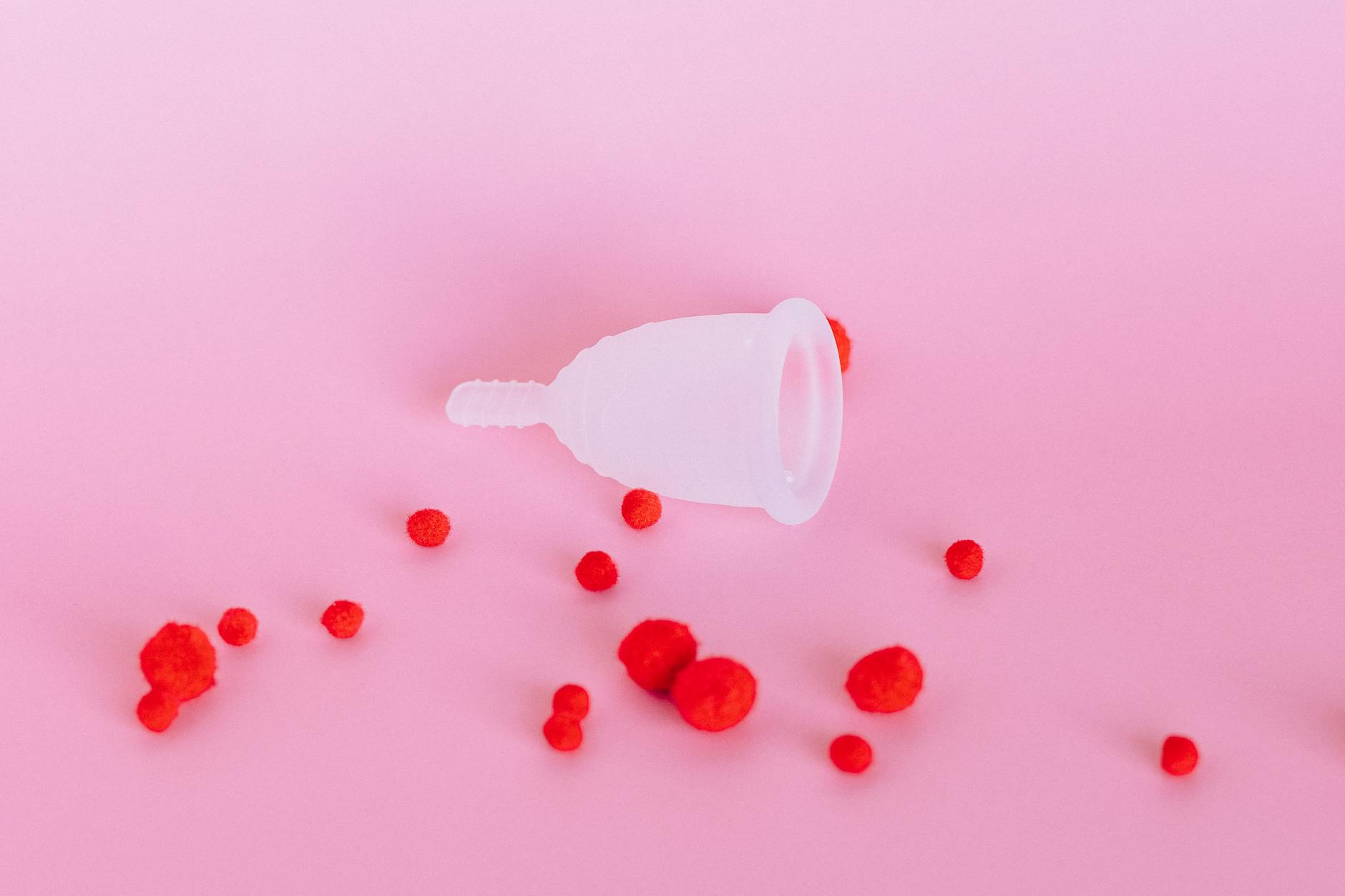
The rising cost of menstrual products, a necessity for millions, has become a significant burden for many households in the United States. Recent data reveals that prices have surged nearly 40% from 2020, fueled by inflation, tariffs, and various market factors. As a result, consumers are increasingly reevaluating their purchasing habits and looking for alternatives.
A Closer Look at the Price Surge
According to market research firm Circana, menstrual product prices, which include tampons and sanitary pads, have risen from an average of $5.37 per unit in 2020 to $7.43 in 2026. This steep price increase has not only raised consumer concerns but has also led to a noticeable decline in sales. In fact, sales of menstrual products have dropped by about 6% since 2022, suggesting that consumers are actively seeking less expensive options or forgoing products altogether.

Inflation, Tariffs, and Costs
The average price increase aligns with rising inflation rates and tariffs imposed on many goods, including menstrual products. As per recent Consumer Price Index data, personal care products have seen over 22.1% inflation since January 2020. Moreover, new tariffs have put additional financial strain on consumers. In 2025 alone, the U.S. collected $115 million through tariffs on menstrual products containing cotton, a steep increase from $42 million in 2020.
Tariffs impact the supply chain, as the U.S. imports a significant amount of its menstrual products from countries like Canada, China, and Mexico. Companies like Procter & Gamble, which owns the Always brand, have responded by raising prices on numerous products to offset a staggering $1 billion in annual tariff costs.
Consumer Perspectives
The rising costs have left many consumers feeling the pinch. Dafna Diamant, a 30-year-old resident of New York, expressed her frustration at the cash register, noting that her usual pack of tampons has surged to approximately $25, transforming what was once an affordable item into a significant monthly expense. "It still feels like a subscription service to be a woman," she commented, emphasizing that this is not a monthly expense one can simply avoid.
Alternatives on the Rise
As traditional menstrual products become costlier, reusable options are gaining momentum. Companies like Saalt, which offers reusable menstrual cups and period underwear, report a rise in demand as consumers increasingly prioritize affordability and sustainability. Saalt's products can last up to ten years, offering considerable savings over time compared to disposable items.
"Cups and discs are in the $30 price range, and they can save users up to $1,800 over their lifetime," explained Cherie Hoeger, CEO of Saalt. The shift towards reusables is not solely about sustainability; it is driven largely by financial necessity.
According to Hoeger, an estimated 16% to 20% of U.S. consumers have experimented with reusable products, predominantly younger demographics who are motivated by affordability rather than just sustainability.
Challenges Ahead for Major Brands
The shift toward reusables poses challenges for established brands in the menstrual products market. As consumers explore alternatives, sales of single-use products continue to decline. Menstrual companies must adapt to these changing preferences or risk losing long-term customers.
Industry experts predict that major companies may shift their focus, potentially abandoning feminine care segments in favor of higher-margin businesses. In a notable case, Edgewell Personal Care sold its feminine care business to a Swedish company for $340 million.
Conclusion
With prices soaring and consumers grappling with rising costs, the menstrual care market is undergoing a transformation. Women across the nation are re-evaluating their choices, and the increased interest in affordable, sustainable alternatives signals a shift in consumer behavior that could reshape the industry landscape.
As the market evolves, industry stakeholders need to consider the long-term implications of rising prices, increased tariffs, and changing consumer preferences if they wish to maintain their foothold in this essential sector.