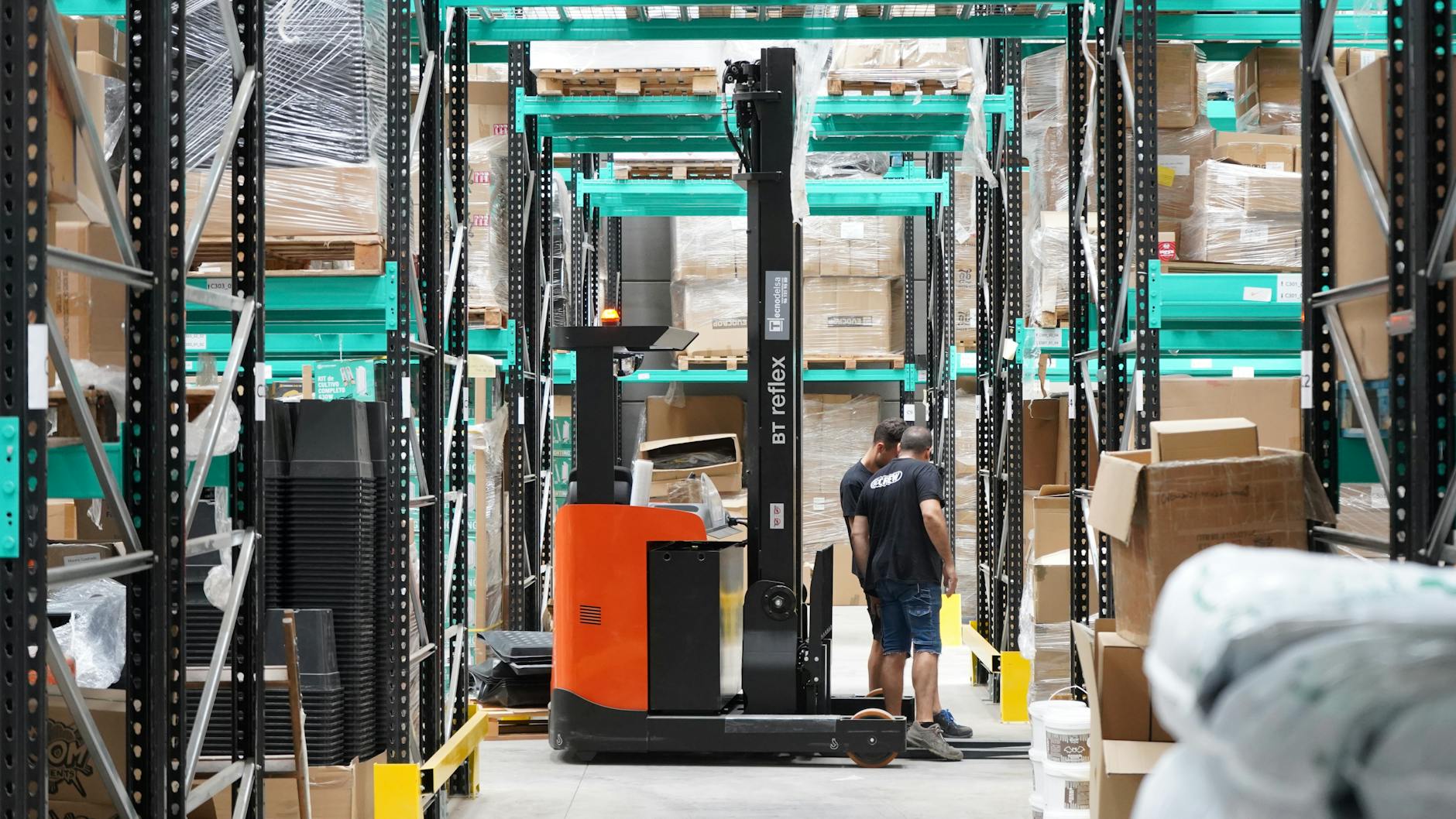
In a bold move to streamline operations and enhance efficiency, Nike has announced it will lay off 775 employees primarily from its U.S. distribution centers, as reported by CNBC. This decision is part of a larger strategy to accelerate the integration of automation within its warehouses and reinforce the company’s financial performance.
Details of the Layoffs
The layoffs primarily impact facilities located in Tennessee and Mississippi, states known for housing some of Nike's largest distribution centers. According to insiders, the cuts come on the heels of a prior announcement made last summer regarding the reduction of 1,000 corporate jobs.
In an official statement, Nike emphasized that this restructuring is targeted at “reducing complexity, improving flexibility,” and building a more “responsive, resilient, responsible, and efficient operation.” The company aims to optimize its supply chain, adopt advanced technology, and invest in the necessary skills for its workforce, preparing them for the future demands of the industry.
“We’re taking steps to strengthen and streamline our operations so we can move faster, operate with greater discipline, and better serve athletes and consumers,” Nike stated in the press release.
The Bigger Picture: Automation and Job Cuts
The current layoffs reflect a growing trend across corporate America as more companies turn to automation as a means of cutting costs and improving productivity. Last year, UPS also revealed plans to lay off approximately 48,000 workers, citing the integration of automated systems in their operations. However, specific details about how Nike plans to implement these automation advancements in its distribution centers remain vague.
As automation continues to reshape the labor landscape, it raises questions about the future of employment in warehouse jobs. Nike's decision, while aiming for long-term profitability, poses challenges not only for the affected employees but also for the broader economy as the reliance on automated solutions increases.
Challenges Facing Nike
The layoffs come at a critical juncture for Nike under the leadership of newly appointed CEO Elliott Hill, who is tasked with reviving the company's fortunes amid a backdrop of declining sales and narrowing profit margins. Last December, during a call to report second-quarter earnings, Nike disclosed a 32% drop in net income, attributing it to various challenges including tariffs, the costs of restructuring, and a slowdown in sales within the crucial China market.
Hill's leadership thus far has focused on rekindling relationships with wholesale partners, addressing inventory backlogs, and fostering innovation. This approach seeks to reverse the strategy laid out by former CEO John Donahoe, which prioritized direct consumer sales through Nike’s own retail channels at the risk of alienating wholesale partners.
Conclusion
As Nike pushes forward into a new era characterized by business modernization and efficient operations, the impact on its workforce raises critical discussions about the intersection of technology, employment, and corporate responsibility. The decision to lay off 775 employees marks a significant step in Nike’s strategic overhaul but also highlights the ongoing tension between automation and job security in the modern economy.
For further developments on this story and the broader implications of corporate automation, stay tuned to our news portal for timely updates.
For more information, you can follow Nike's official statements and news updates at Nike News.