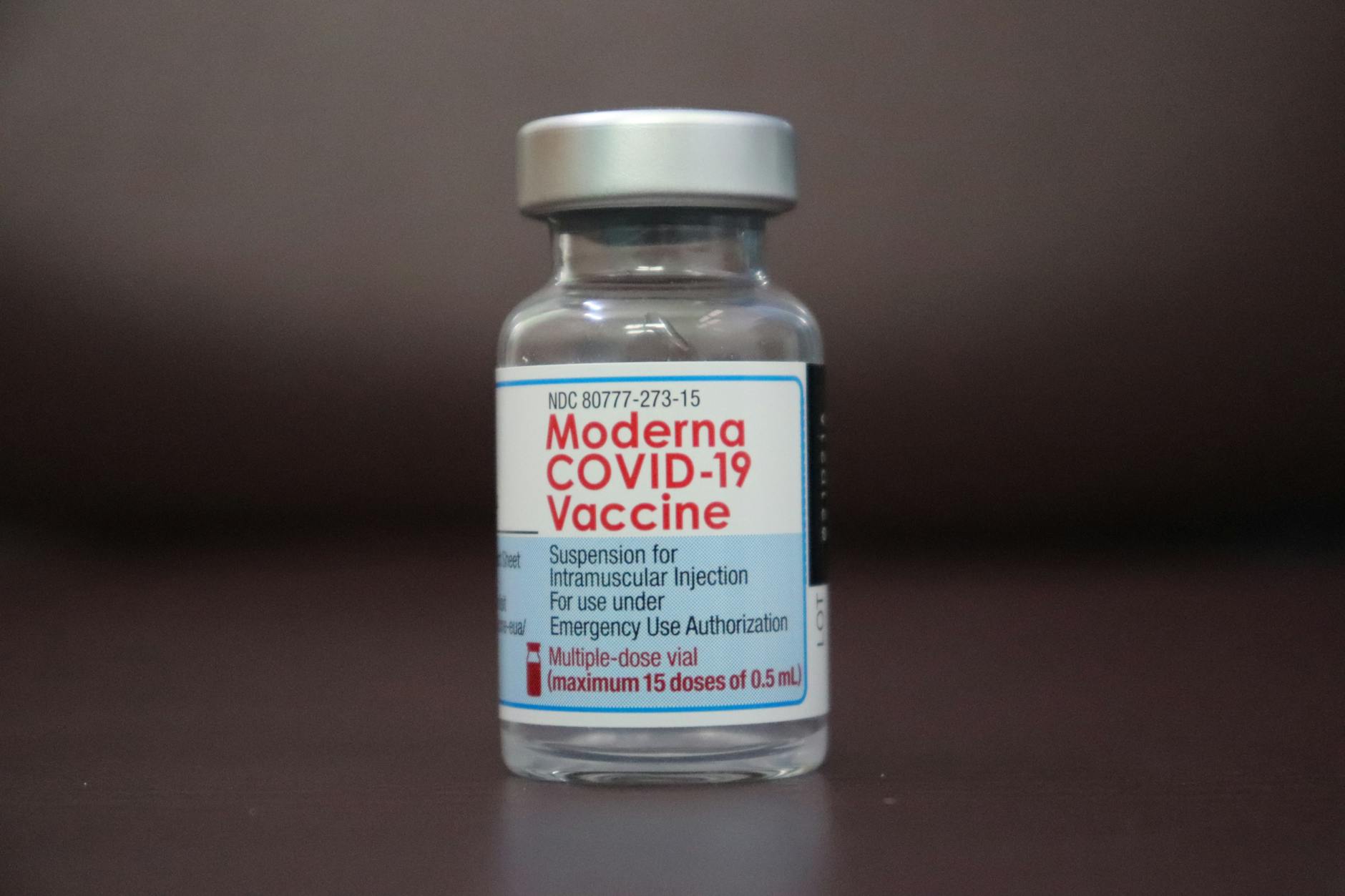
In a significant turn of events for the biotechnology firm Moderna, the Food and Drug Administration (FDA) has declined to initiate a review of the company's application for its experimental flu vaccine, named mRNA-1010. This decision, announced on a recent Tuesday, further highlights the changing landscape of vaccine regulation in the United States, where the influence of administration policies is becoming increasingly evident.
FDA's Decision Sparks Controversy
Moderna's announcement that the FDA refused to commence a review has provoked concern among stakeholders. The company's stock experienced a roughly 7% drop in after-hours trading, reflecting the market's reaction to the news. According to Moderna, the FDA's objection is inconsistent with prior guidance received from the agency before the application was submitted and before entering phase three trials for the vaccine.
The FDA did not cite any specific safety or efficacy issues regarding the vaccine; instead, the agency raised concerns about the design of the clinical trial. Moderna emphasized that the agency's current stance diverges from earlier feedback during discussions preceding their trial commencement.
In response to this regulatory challenge, Moderna has stated that it seeks a meeting with the FDA to clarify the next steps needed to move forward.
Context of Vaccine Regulation Changes
The backdrop to this decision is marked by a broader tightening of vaccine regulations in the U.S., an initiative that has unfolded under Health and Human Services Secretary Robert F. Kennedy Jr., who has been a vocal skeptic of vaccines. The regulatory environment appears to be evolving with new personnel and policies influencing the FDA's approach.
Moderna's CEO, Stéphane Bancel, expressed disappointment over the FDA's decision, asserting that it contradicts the shared goal of advancing innovative medicine within the country. Bancel pointed out that the FDA ruling does not align with the principles established for vaccine trials and criticized the agency's recent actions that could hinder potential medical advancements.
Clinical Trial Controversy
Specifically, the FDA has questioned Moderna's methodology of using an already-approved flu vaccine as a comparator in its clinical trials, arguing that it does not equate to the best-available standard of care. The agency deemed the trial inadequate according to its rigorous definition of an "adequate and well-controlled" trial.
Moderna contends that such design choices are permissible under existing FDA regulations, as they do not expressly mandate the use of the most advanced or highest-dose vaccine as a benchmark for clinical studies.
Future Implications for Moderna and Vaccine Development
Despite the current regulatory hurdles, Moderna is optimistic about its future prospects. The company has indicated that the earliest possible approval date for its flu vaccine could fall between late 2026 and late 2027, pending necessary regulatory reviews not only in the U.S. but also in Europe, Canada, and Australia.
Moreover, Moderna's flu vaccine is seen as a cornerstone of its broader strategy to develop a combination vaccine that would target both influenza and COVID-19, a critical advancement in public health and immunology.
The FDA has maintained its practice of not commenting on regulatory correspondence with specific sponsors, leaving Moderna and its stakeholders in a state of uncertainty as they await further developments.
As the discussion surrounding vaccine efficacy and safety continues to evolve, both public health experts and the pharmaceutical industry will be watching closely to see how regulatory landscapes change and how they will impact the introduction of innovative therapies in the future.